
Are Humans Inherently Good?

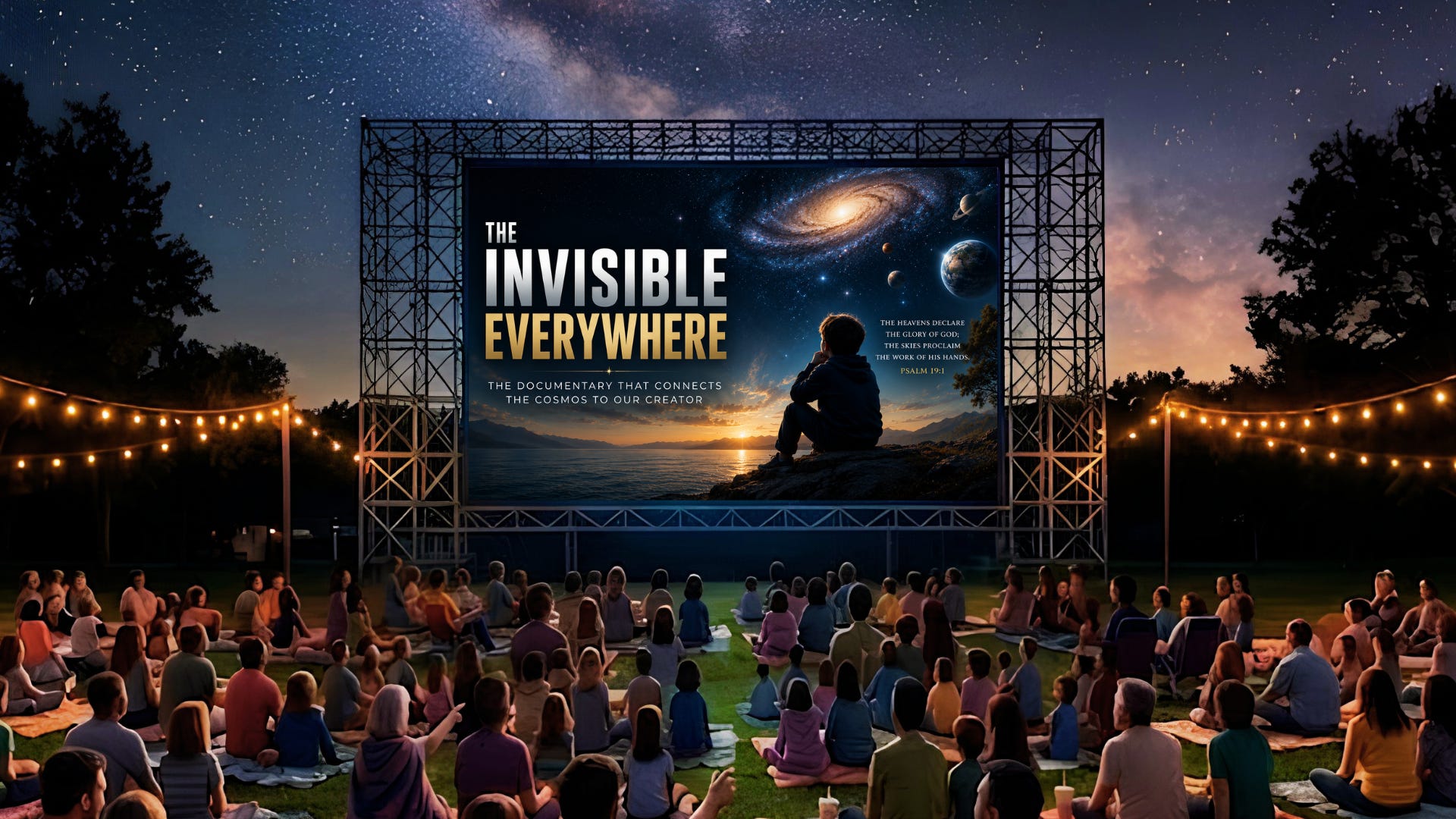
The Invisible Everywhere: the story of how modern science shattered my atheism & opened my eyes to the existence of God.
👉 WATCH NOW!👈
Please consider becoming a Paid Subscriber. By doing so you’ll support my efforts to speak truth with love to a world sorely in need of both.
Thank you and God bless you.
Comic-Book Worldview
I grew up reading comic books back when Superman was hailed as the indefatigable champion of “truth, justice, and the American way.”
Oh, how times have changed! Today, “feelings” supersede truth, and in too many circles patriotism is no longer chic.
Thus, I wasn’t at all surprised when last year Hollywood launched its so-called “new DC Universe” with director James Gunn’s reboot of Superman. The movie’s official logline described “a Superman who’s driven by compassion and an inherent belief in the goodness of humankind.”
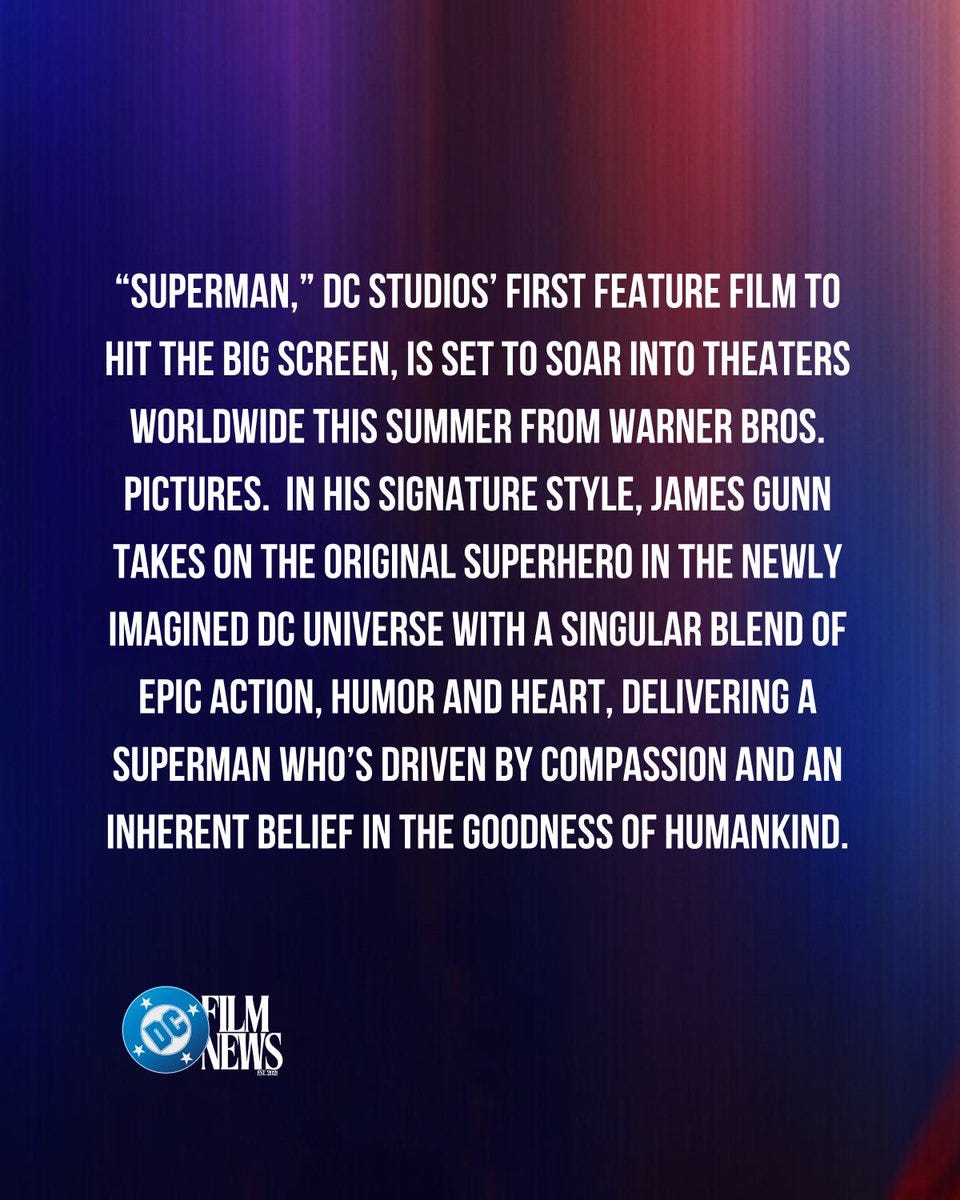
Goodbye truth, justice, and the American way. Hello compassion and a worldview that is pointedly not Christian.
I first came across the belief in the “inherent goodness of humankind” when I was a twenty-something, disillusioned atheist exploring the world’s major religions. That belief was a central tenet of Confucian philosopher Mencius’ worldview.
Mencius (372–289 BC) likened human nature (xing) to water that naturally flows downhill. He maintained that, left to our fundamental proclivities, uncorrupted by outside influences, humans incline toward honesty, selflessness, and compassion. Cruelty is the exception, he argued, not the rule.
Many atheists, Universalists, and New Agers also believe in the basic goodness - and/or perfectibility - of human beings.
Biblical Worldview
By contrast, the traditional Christian worldview is based on the concept of Original Sin, which dates back to Adam and Eve’s revolt against God. Their monumental act of disobedience reverberated throughout the cosmos - God’s entire creation - and corrupted their spiritual germline, meaning that each of us is born with Adam and Eve’s rebellious nature.
G. K. Chesterton called Original Sin “the only part of Christian theology which can really be proved.” By that he meant human history clearly shows intelligence, education, prosperity, and good intentions do not eliminate pride, cruelty, greed, envy, or violence.
Augustine of Hippo blamed our species’ incorrigible nature on a “corrupt root” - meaning that, in C.S. Lewis’ words, “we are not merely imperfect creatures who must be improved: we are … rebels who must lay down our arms.”
In summary, Original Sin is not something that can be beaten or taught out of us. Our species’ estrangement from God means that every part of us - every aspect of the universe, from the microscopic to the astronomical - is fundamentally and fixedly disordered.
We aren’t evil through and through: We remain God’s image-bearers, capable of real love and goodness. But we cannot heal our rebellious nature with intelligence, education, good behavior, or personal enlightenment because it’s a spiritual malady.
The Real World
So, then, which worldview - the comic-book or Christian worldview - is most supported by real-world evidence? Here’s the headline: