SPIRITUAL INTELLIGENCE
Why It's Your Cognitive Superpower

“Just watched your movie - it was phenomenal.
I would love to give [it] to my atheist, intelligent daughter!
(This worked really well for The Chosen series.)” 😊
Linda L.

The Invisible Everywhere: Believing Is Seeing presents the modern scientific evidence that shattered my lifelong atheism and opened my eyes to the existence of God.
👉 Get Your “Ultimate Expedition” Ticket Now & Start Watching!👈
Mrs. G and I are not part of a large organization; its just the two of us working hard to serve the God we love. So please consider becoming a Paid or Founding Subscriber. By doing so you’ll not just benefit from these weekly letters, you’ll actually support them and our efforts to speak truth with love to a world sorely in need of both.
Thank you and God bless you.
Measuring Intelligence
The modern idea of IQ traces back to the early 1900s, when the French government asked psychologist Alfred Binet to devise a practical way of identifying schoolchildren who needed extra tutoring.
In 1905 Binet and his colleague Théodore Simon created the world’s first modern intelligence test. It’s important to note Binet believed human intelligence was something complex; shaped by environment, education, and personal experiences; and certainly not reducible to a number.
In 1912, however, German psychologist William Stern disagreed with Binet by introducing the concept of Intelligenzquotient, German for “intelligence quotient.” It’s where the now-familiar abbreviation IQ comes from.
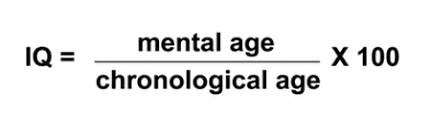
According to Stern, a child’s “intellectual endowment” could be quantified by calculating a single, numerical ratio: the child’s “mental age” (as measured by his IQ test score) DIVIDED BY the child’s actual age MULTIPLIED BY 100.
In 1916 Stanford University psychologist Lewis Terman - who believed a person’s intelligence was fixed at birth - transformed Binet’s test into the famous Stanford-Binet Intelligence Scale, helping popularize IQ testing throughout schools, the military, and corporate America.
IQ tests typically measure abilities such as logical reasoning, mathematical thinking, memory, vocabulary, pattern recognition, and spatial perception - all of which are important abilities.
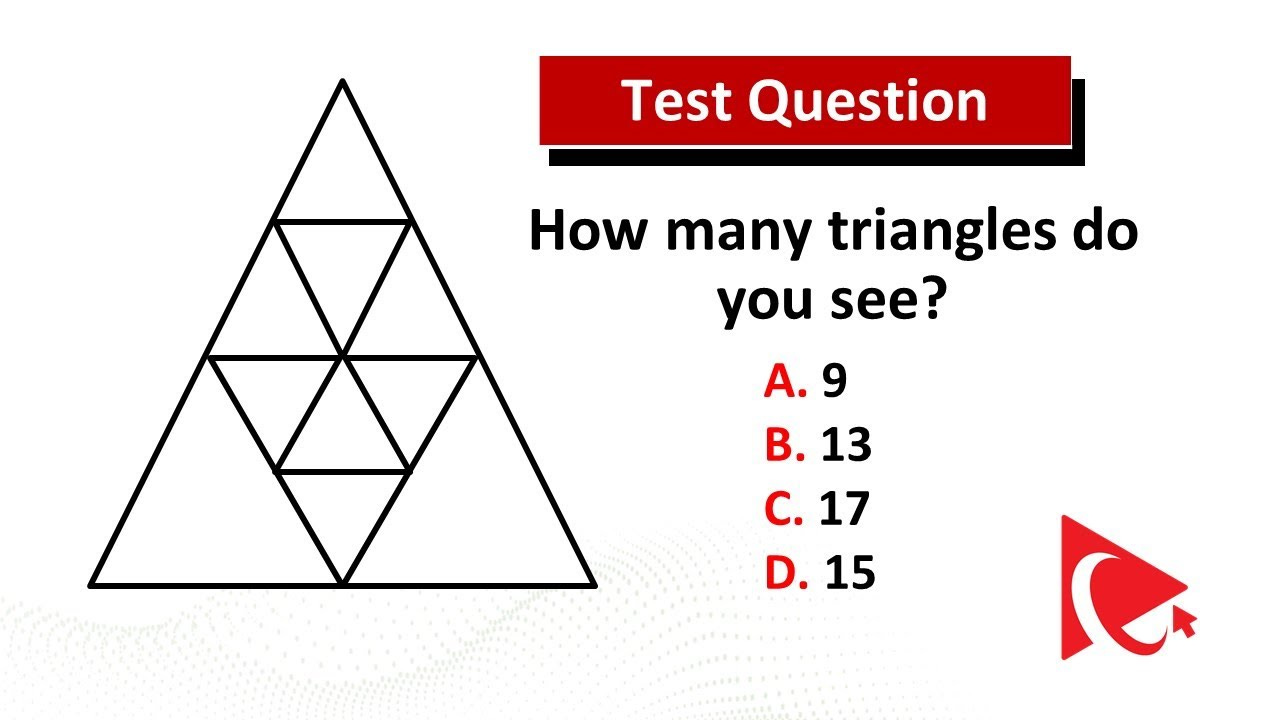
But IQ tests have little or nothing to do with a person’s creativity, wisdom, moral judgment, emotional insight, intuition, or what I call Spiritual Intelligence, or SQ.
Multiple Intelligences

While teaching physics at Harvard I befriended many colleagues in the psychology department because I authored a monthly column in Psychology Today magazine. I especially recall with great fondness the department’s legendary chairman, Jerome “Jerry” Kagan - a brilliant, humble, sweet-hearted man.
In 1983 Harvard psychologist Howard Gardner shattered the idea of a single, fixed IQ. His Theory of Multiple Intelligences proposed that we humans have different cognitive strengths and weaknesses ranging from linguistic and logical to musical, interpersonal, and spatial. In other words, being “smart” isn’t just one thing; it’s a collection of many different abilities.
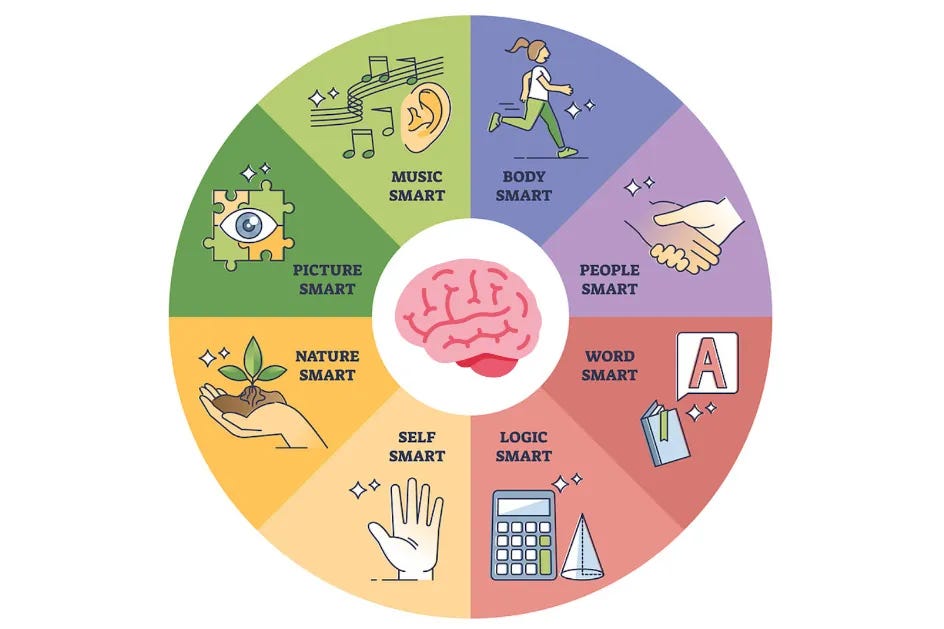
I resonated so strongly with Gardner’s broadminded view of intelligence I promoted it in one of my Psychology Today columns. Privately, however, I wondered why none of his intelligences took into account human spirituality, which is no small thing.
Humans everywhere take their spiritual beliefs very seriously, and that includes atheists. I had discovered that fact by the time I got to Harvard because during my grad studies at Cornell I embarked on a spiritual journey of my own, starting with Hinduism and ending (grudgingly) with Christianity. I explain this in both my book Believing Is Seeing and movie The Invisible Everywhere.
After stewing about Gardner’s oversight I decided to do something to correct it. The result was my book Can A Smart Person Believe In God?, published in 2004 by Thomas Nelson, in which I introduce the concept of Spiritual Intelligence.
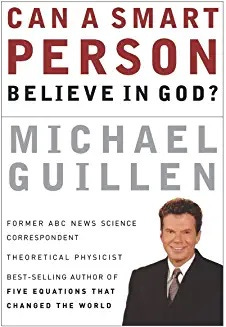
It’s since been translated into many different languages all over the world.