The Storm Before the Calm
Becoming a New You

Glorious Day My Precious Fellow Traveler -
My newest movie, The Invisible Everywhere, premieres worldwide April 8 on TheInvisibleEverywhere.com. Go there now to see the trailer and press release.
Here on Substack I’ll be keeping you updated on all the exciting developments. So don’t go away - this is the place to be!
To God alone be the glory.
Chaos
As the universe expands, it’s steadily tearing everything apart - galaxies, solar systems, eventually even atoms. Because of that, the universe is becoming increasingly disorganized and chaotic.
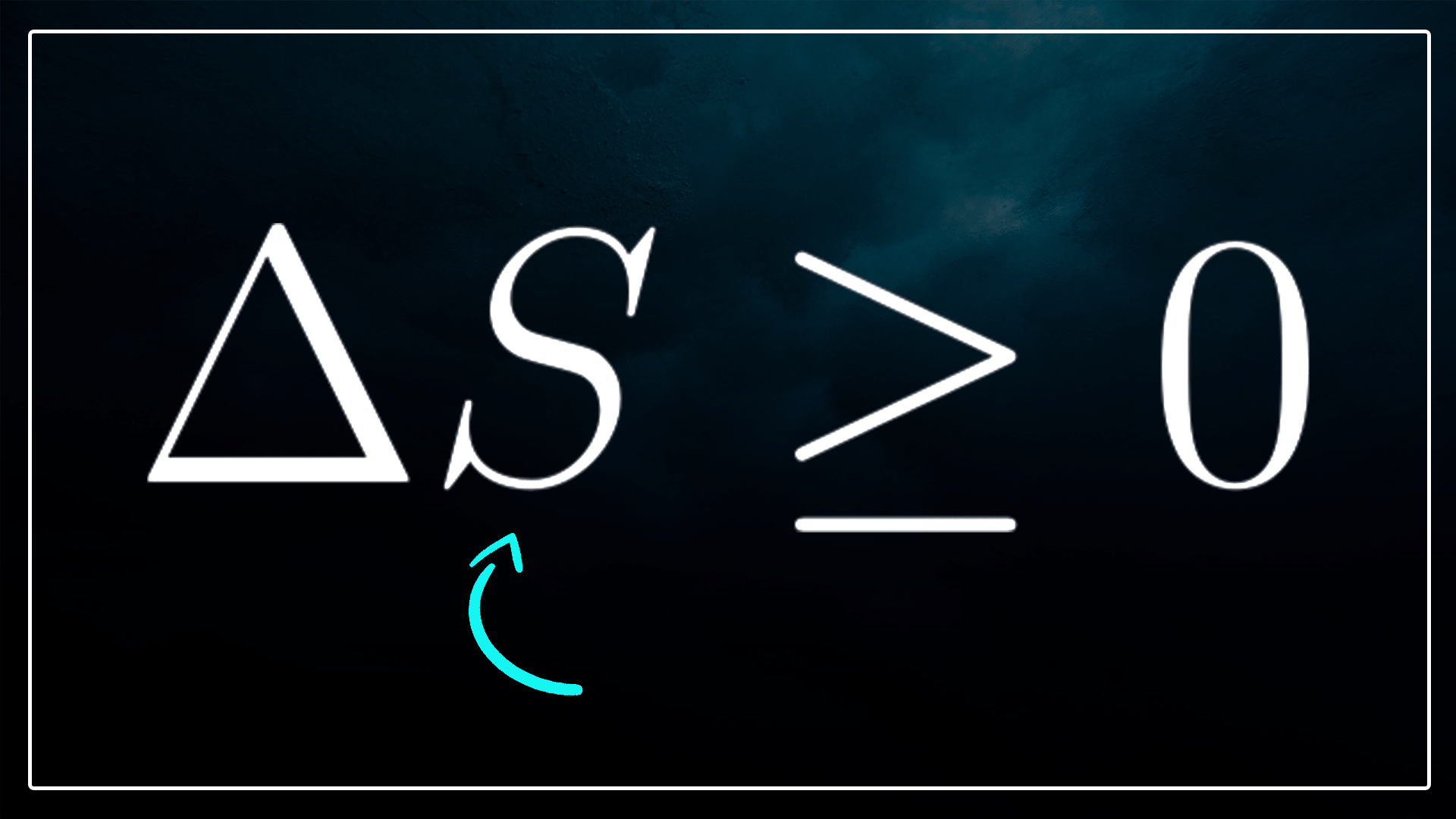
In science-speak we say it this way: The entropy of the universe - the amount of disorder or chaos in the universe - is steadily increasing. That, in a nutshell, is the Second Law of Thermodynamics.
Stated as an equation, where the letter S stands for entropy, the Second Law looks like this:
Angel of Death
Life is astonishing because it defies entropy. It defies chaos. It defies disorder.
How does it do that? How does life manage to stay organized in the face of a universe relentlessly trying to tear it apart? Work.
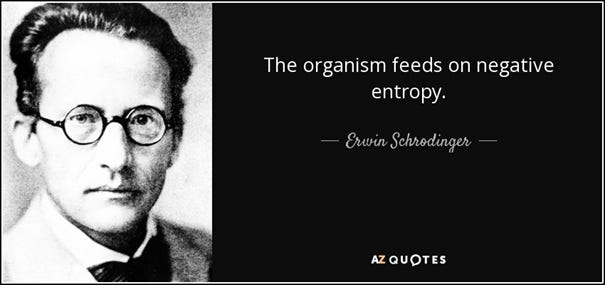
For you and me to stay alive, it takes every cell of our bodies working hard 24/7 to stave off the universe’s chaos. Work overcomes entropy and creates order. Order is the opposite of entropy. Order is “negative entropy.” Order is necessary for life to exist and persevere.
That’s one of many reasons why it’s difficult - if not impossible - to believe that life on Earth is an accident. Chaos by itself doesn’t produce life. As the Second Law of Thermodynamics indicates, chaos merely perpetuates and even increases chaos.
In short, therefore, what the Second Law of Thermodynamics teaches us is this: Chaos is the enemy of life. It’s the Angel of Death.
Angel of New Life
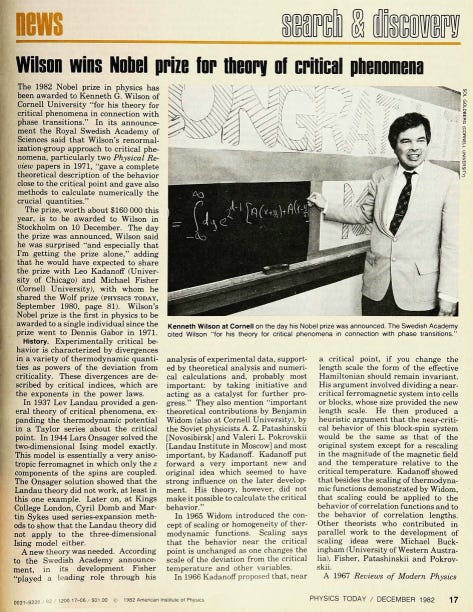
When I was a grad student at Cornell I had the privilege of getting to know and learn from physicist Ken Wilson. While I was there he was awarded the Nobel Prize in Physics for his profound insights into the behavior of complex physical systems - e.g., living beings - undergoing radical transformations. In physics we call such transformations phase transitions.