
The Very Good News About AI

Glorious Day My Precious Fellow Traveler -
I love writing these posts. But they require a great deal of time because God demands and deserves my very best effort.
My prayer for 2026 is that I’ll be able to stop doing other, less fulfilling things and instead support this burgeoning Substack ministry fulltime. That’ll be possible only with the support of Paid Subscribers. But I’m surrendering the entire matter to God.
From the bottom of my heart, thank you to my Paid Subscribers from 48 states and 35 nations for supporting my ministry, which is dedicated to speaking truth with love … to a world sorely in need of both.
To God alone be the glory!
Amen.
How It Began
In the 1980s - when I began teaching at Harvard and, unexpectedly, was hired simultaneously by CBS News and WCVB-TV (the Boston ABC affiliate) to be their on-air science correspondent - expert systems were a hot topic. These were elaborate, expensive computer programs that attempted to replicate human expertise in various specific fields such as medicine, business, and engineering.
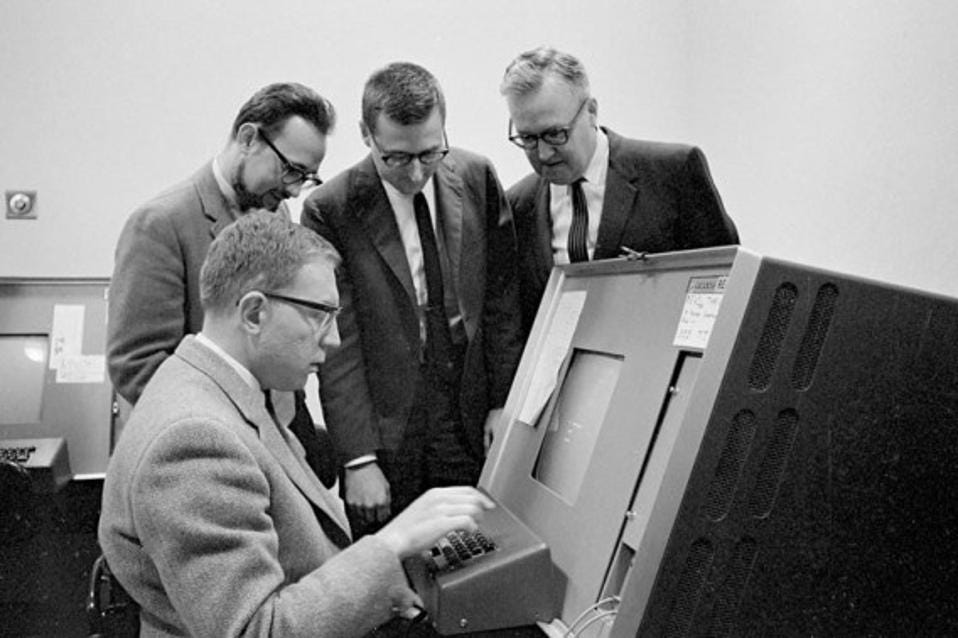
For the most part these expert systems turned human expertise into a string of “if-then” scenarios. For example …
If a patient shows up with a fever and blisters on the palms of their hands, then …
If a newly designed airplane tends to shudder at a certain speed, then …
If an employee is always showing up late to work, then …
With time, these expert systems morphed into what we now call artificial intelligence (AI). At its core, AI is an audacious attempt to capture real human intelligence in a bottle.
Can it be done?
Can human intelligence be fully translated into computer code, reducing it to a series of zeroes and ones? That, my fellow traveler, is the subject of today’s discussion.
What Is Intelligence?
AI’s ascendency has forced us to ask the seemingly simple yet profound question: What is real human intelligence? What exactly is AI trying to imitate?
One answer, arguably the easiest, is that AI is trying to mimic human IQ. After all, IQ (Intelligence Quotient) is what virtually everyone identifies as human intelligence.
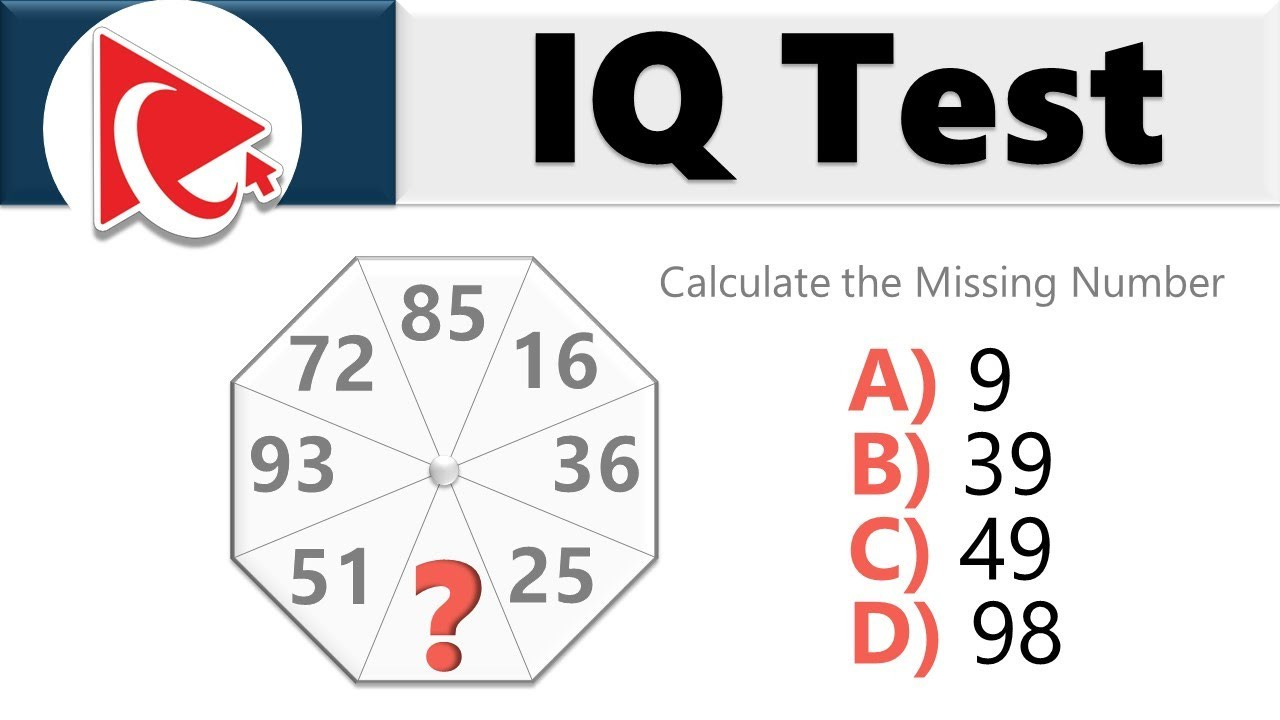
But that easy, obvious answer is fraught with complexities. Why? Because AI can be taught to ace IQ tests without having any real intelligence, without having any understanding whatsoever of the test questions or the correct answers to them.
This means we must invent a reliable, new way of testing AI’s actual intelligence, a task that’s proving to be extremely difficult. Resolving the difficulty begins with acknowledging the enormous difference between (A) specialized intelligence and (B) general intelligence.
Today’s AI - the descendants of those old, expert systems I spoke about - has a great deal of specialized intelligence. Scientists call it Artificial Narrow Intelligence (ANI).
AI’s ANI is comparable to that of a well-trained organ grinder’s monkey. The monkey collects coins and tips his hat, which is very impressive; but he does all of it without any real understanding of any of it.
Today’s AI supercomputers, chatbots, and robots are highly trained to say, draw, do, and compose all kinds of very impressive things. For example, today’s AI can ace a tough bar exam, a rigorous medical exam, or a head-scratching SAT test; but it does all of it without any real understanding of any of it.
General intelligence is a very different beast. It comprises many things, among them the all-around, genuine ability to: (A) reason autonomously, (B) problem solve autonomously, and (C) create autonomously.
General intelligence is what every healthy human being is born with. Indeed, the sum total of humanity’s general intelligence - dating back millennia and now stored in libraries, museums, and professional and trade organizations worldwide - is what trains today’s high-ANI AI to do impressive things.
But here’s the reality of today’s AI: It lacks any significant level of general intelligence. Restated in the language of science: Today’s high-ANI AI has a very low Artificial General Intelligence, or AGI.